

The Deco Files: Sand Carving
When texture is the whole point
Welcome to The Deco Files. We are breaking down some of our favorite decoration methods so you know exactly what you are looking at, what it takes to pull it off, and when it is the right fit.

Most decoration methods are about getting something onto a surface, but sand carving is about taking something away, because it uses pressurized sand to precisely etch into the material, carving the design right into the product itself and leaving a mark with actual depth you can run your finger across, which is a level of tactile presence that no amount of ink or coating can fake.
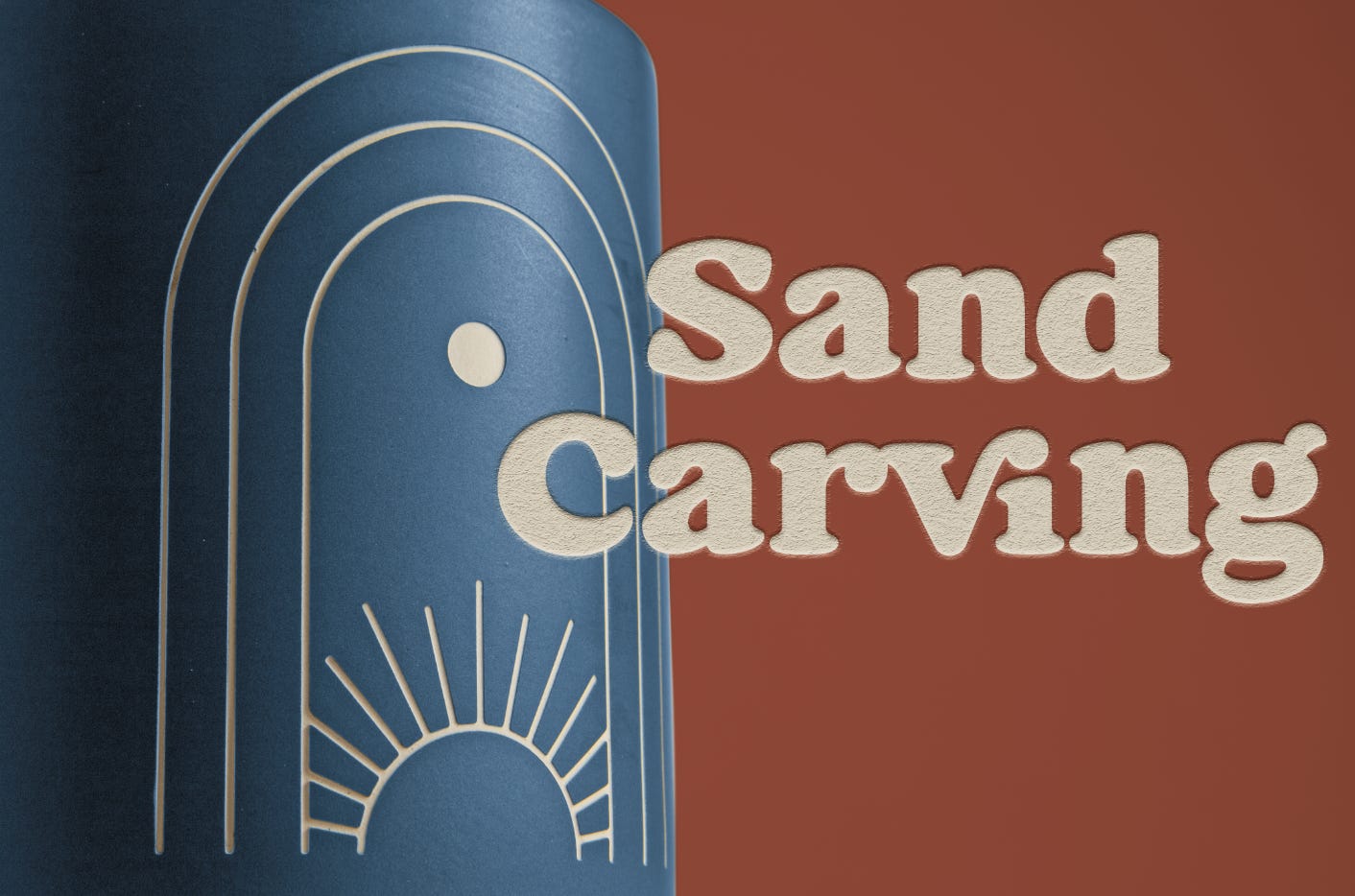
The result is crisp, engraved, and permanent, and it just feels expensive in a way that’s immediately obvious when someone picks the piece up.
Be sure to check out our decoration methods page for more info on paper printing items and more.
So what is Sand Carving exactly?
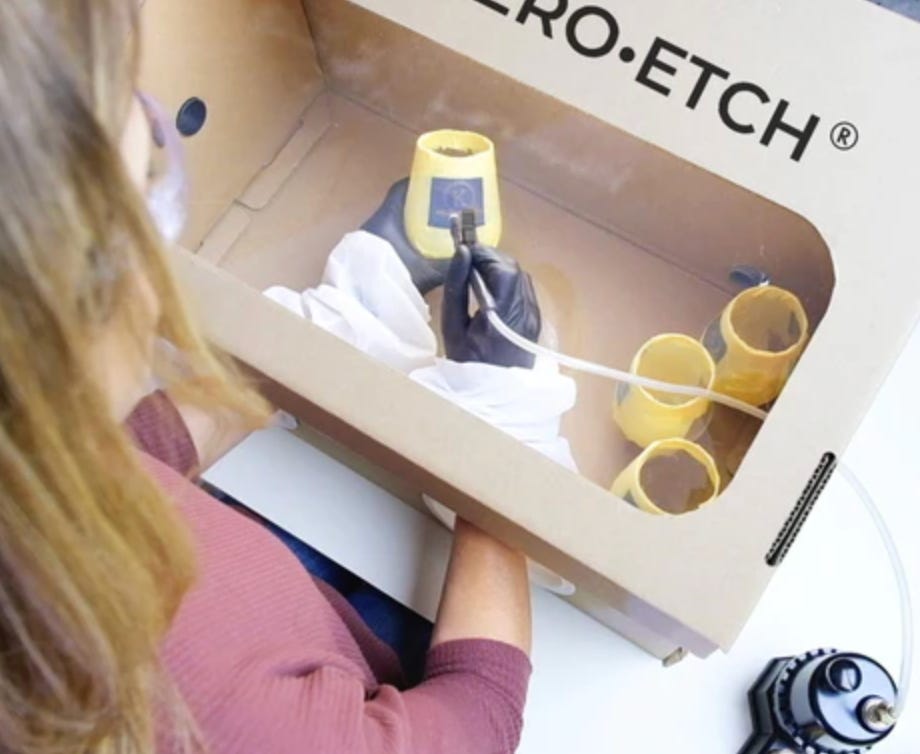
Sand carving works by blasting a fine abrasive material at high pressure through a stencil, and wherever the sand hits the exposed surface, it etches into the material and creates that characteristic frosted, recessed look. The stencil controls exactly where the abrasion happens, which is how you get clean edges and legible detail instead of just a blasted-up mess, and the depth of the etch is controlled by how long and at what pressure the process runs.
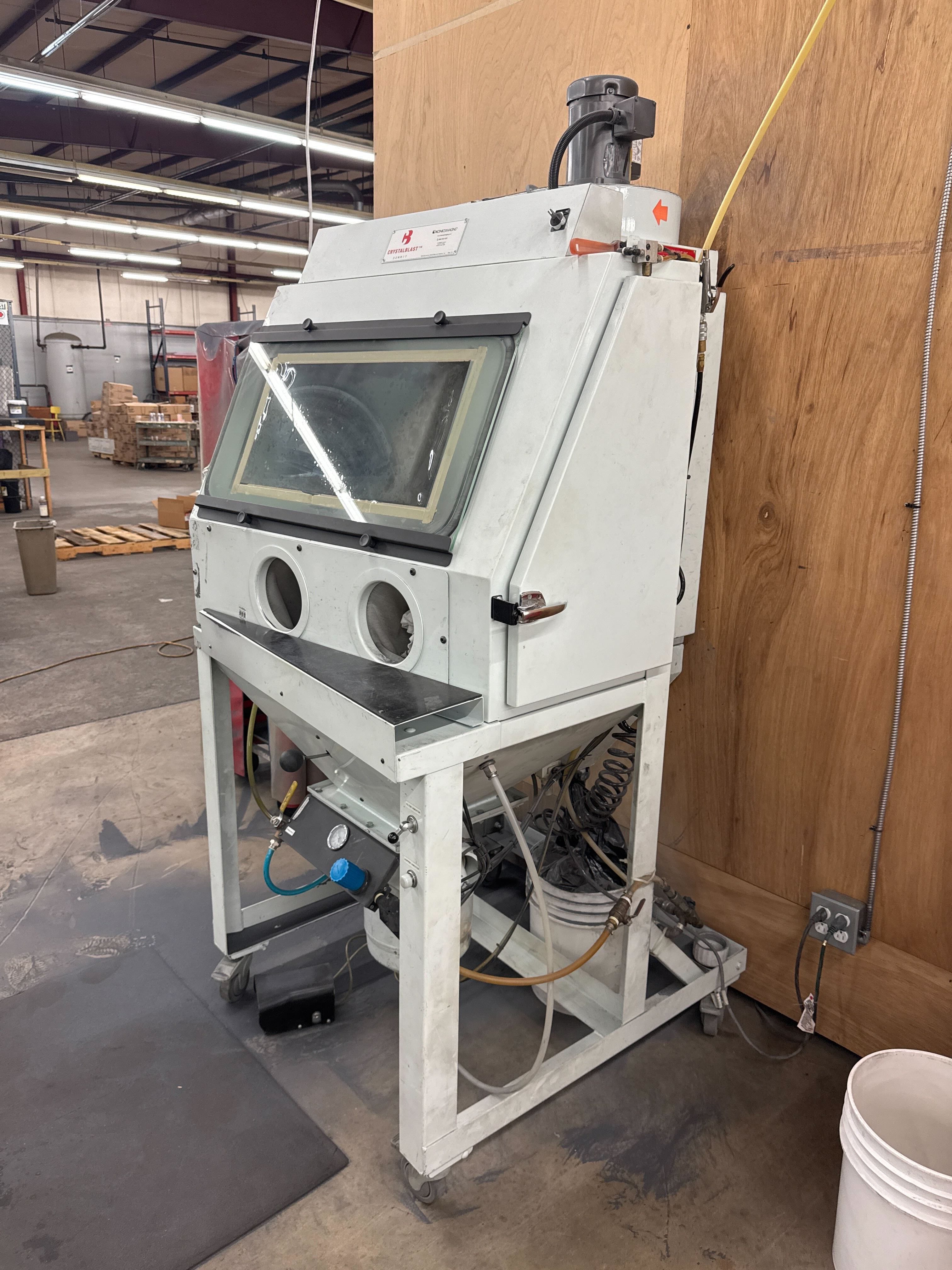
Because the design is carved into the material rather than applied on top of it, there’s no layer to peel, no finish to chip, and no ink to fade. The mark is physically part of the product now, and it’s going to look exactly the same years from now as it does when it ships.
What it’s genuinely great at
Glass or ceramic + a mark you can feel + elevated, lasting impression =
Sand Carving.
Sand carving really shines on glass and ceramic, where the contrast between the etched frosted area and the smooth surrounding surface creates a look that’s both visually striking and tactilely satisfying, and where clients usually want something that feels more considered than a standard print. When someone is giving away branded drinkware or a ceramic candle and they want it to feel like a gift rather than a giveaway, sand carving is the direction to go.
The depth of the mark also gives it a quality cue that’s hard to miss. There’s something about a design that’s been carved into a piece of glass that communicates a level of craft and permanence that sits in a different category from decoration that just sits on the surface.
What to know going in
A few things worth keeping in mind when you’re talking through a sand carved project.
→ Material matters a lot here, because sand carving works best on harder, non-porous surfaces where the abrasive can carve cleanly and create good contrast between the etched and unetched areas. Glass and ceramic are the sweet spot, and they’re also the materials where the frosted etched look tends to be most visually effective.
→ Artwork should be clean and well-structured, because the process translates logos, wordmarks, and bold graphics really well, but very fine lines or tiny text can lose legibility depending on the scale and the intricacy of the design. Solid shapes and clear outlines are going to give you the sharpest results.
→ And because the color of the etch comes from the material itself rather than any added pigment, you’re working with that frosted-against-clear or frosted-against-glaze contrast, which is inherently elegant and tends to work well with a wide range of brand aesthetics without any color matching involved.
The products that are built for this
Sand carving belongs on the glass and ceramic side of our products, where the depth and permanence of the process get to do their best work.
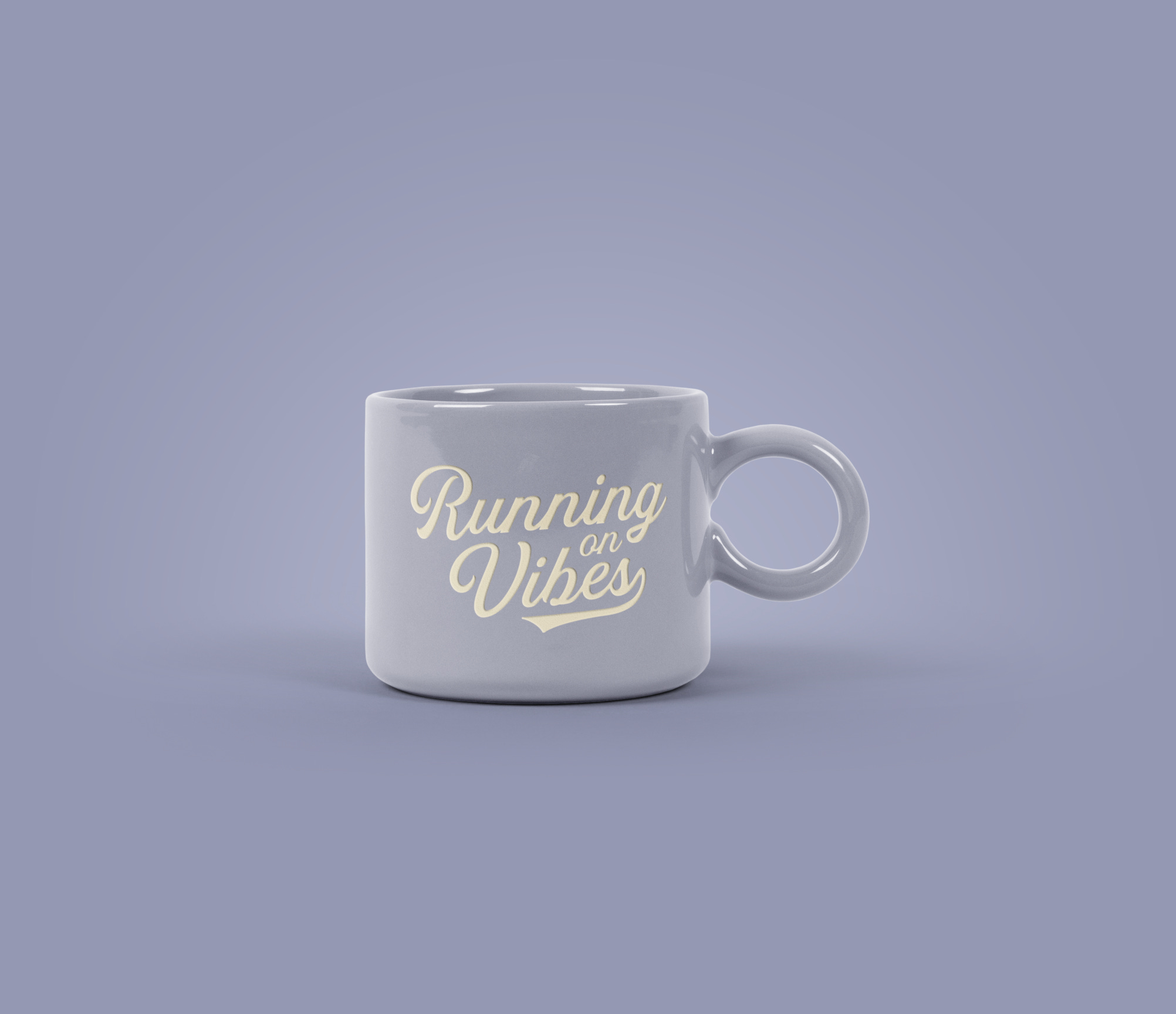
Ceramic Drinkware is a natural fit because the smooth glazed surface gives the abrasive something clean to work with, and the contrast between the carved area and the surrounding glaze creates a look that holds up really well against the warmth and weight of ceramic.
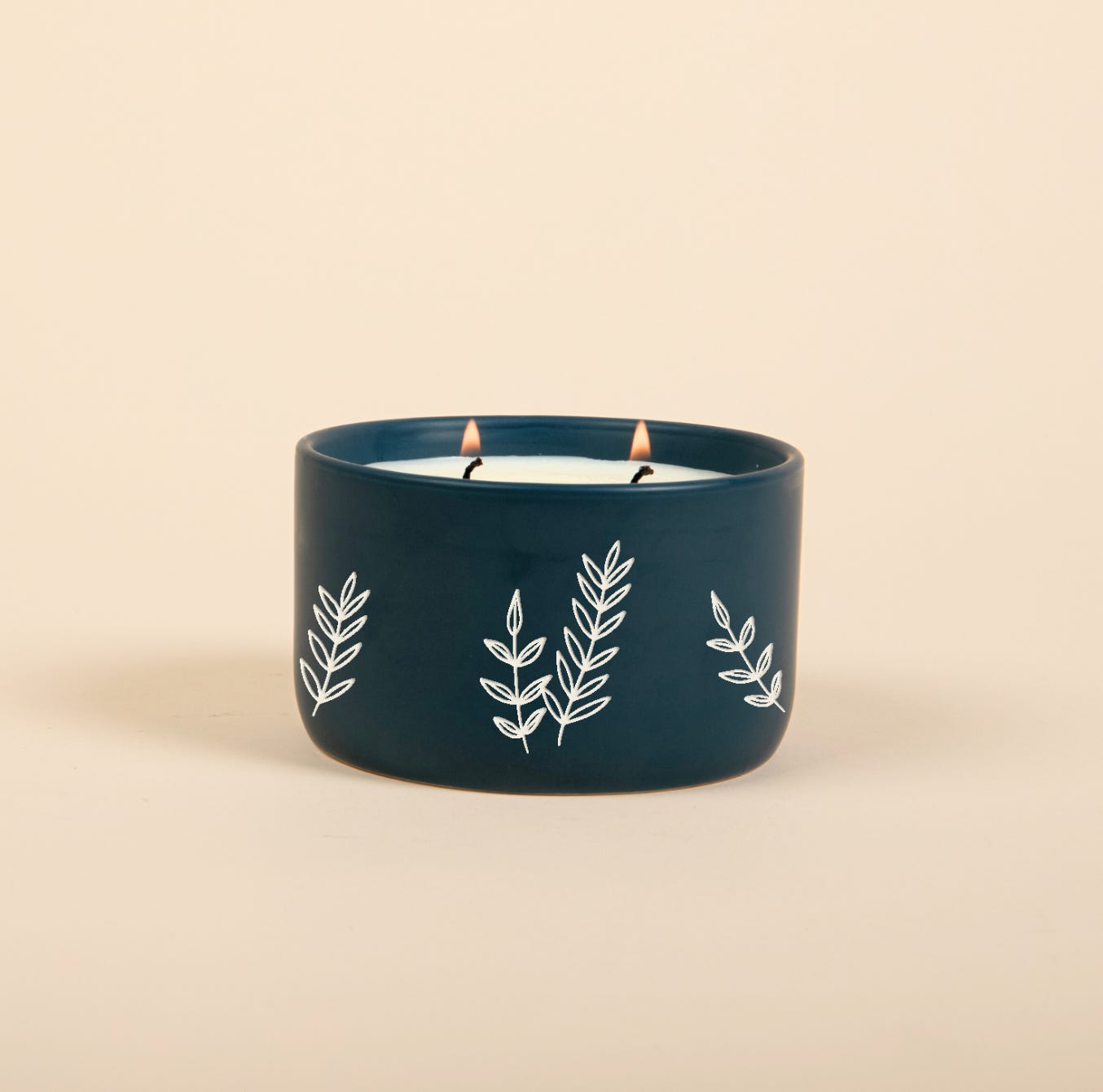
Ceramic Candles are a solid application because candles already occupy that gifty, elevated space, and sand carving takes a branded candle from functional to genuinely impressive, which matters when the client wants something that’s going to look good on a desk or a shelf rather than tucked away in a drawer.
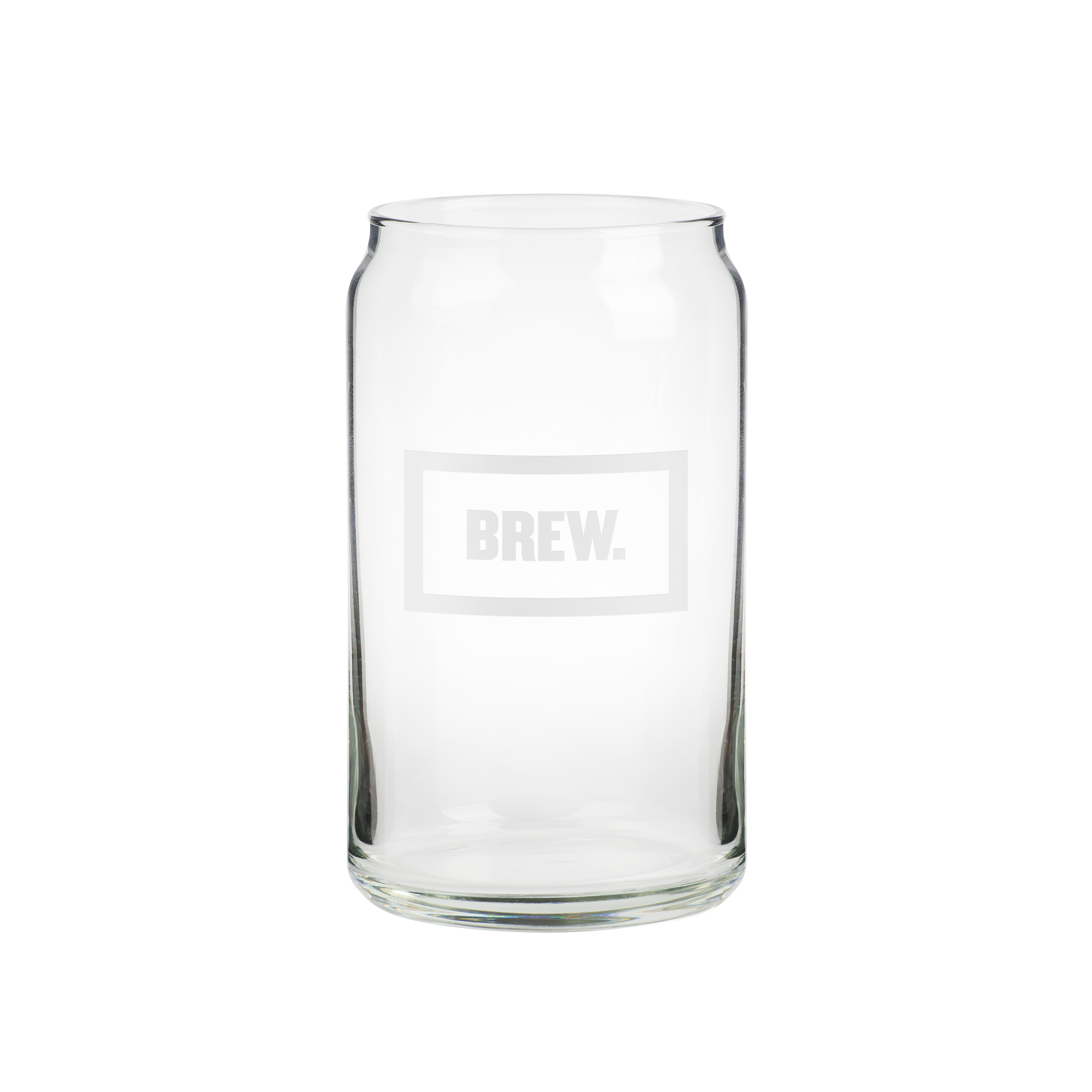
Glass Drinkware is where sand carving is probably most at home, because the frosted-on-clear effect on a glass tumbler or pint glass is one of those combinations that just works, and it photographs beautifully for clients who care about how their branded products look in practice.
To Recap
Sand carving is a great tool to have in your back pocket for clients who want something that feels special, elevated, and different enough to add to their gift line. It’s got the tactile finish that only comes that your clients love, and it's the kind of decoration that makes someone pick up a product and immediately want to show it to the person next to them. And we love that.